

KPIs, profit margins, and other quantitative metrics alone do not dictate the long-term success of a retail business. While analyzing transactional sales data can indicate how profitable your business has been in the past, it fails to account for the unavoidable human element of business transactions. Without accounting for customer experience and satisfaction, growth and expansion is nearly impossible.
The most powerful Fortune 500 leaders and C-suite executives understand that creating a long-lasting, sustainable retail business starts with building relationships. They make sure to connect directly with their customer base and work to appease them. People remember the connection and the experience with a recognizable brand, which drives recurring and loyal customers.
Let’s look closer at the importance of customer experience and how it can elevate retail businesses.
What Does Modern Customer Experience Management Look Like?
As the world continues to change and evolve, so does the retail business industry. In a world where customer experiences define retail success, large retailers need to adapt to emerging strategies to stay relevant and profitable and meet their customers’ needs. One such approach is the omnichannel strategy. Large retailers can significantly boost their profit margins by providing excellent customer service and implementing omnichannel pivots while improving the customer experience.
To turn a profit, large retailers must understand what customers want and deliver an exceptional shopping experience tailored to those desires. It’s not enough to simply meet expectations; the most successful retailers are those who consistently exceed them. By leveraging data analytics and insights about customers, you can personalize the shopping journey, making every customer feel seen and appreciated.
However, don’t forget about the importance of a seamless experience. From mobile browsing to in-store purchasing, a smooth transition across all platforms is critical. This approach not only solidifies customer loyalty but also encourages repeat business, contributing to higher profit margins.
This paradigm shift invites retailers to explore new ways to improve customer experience. Here are some ways that retailers are maximizing the customer experience.
Sephora
In addition to being one of the most popular beauty retailers today, Sephora has also mastered its customer’s online shopping experience. Their Virtual Artist makeover tool allows shoppers to get fresh ideas and various looks that meet their personal styles and preferences, all from the comfort of their screen. This makes online shopping easier and minimizes returned products after delivery.

IKEA
Since IKEA launched its AR app, IKEA Place, customers no longer need to shop for furniture in person or wonder whether it will fit their spaces. Their app allows customers to see exactly how each piece of furniture will look in their home while also automatically scaling furniture based on a room’s dimensions. Additionally, their app is so detailed that users can compare colors, textures, and even how light and shadows will fall across it.
Home Depot
While everyone has a use for Home Depot products at some point in their life, not everyone is familiar with or savvy at navigating a large hardware and home goods store. Home Depot solved this problem with a user-friendly app that saves their customers time and energy. Customers can use their app to locate the exact aisle and location of the product they are looking for – acting as a personal navigation system within the store. Additionally, while shopping for prices and brands, customers can scan bar codes on various products to learn more about the product and even read other customer’s reviews.
By enhancing the online experience for their customers, these retailers have created an improved customer experience, resulting in happier customers who are sure to return time and time again.
The Keys to Creating Good Retail Customer Experience
Retail customer experience is dependent on creating a specific brand and culture. Customers are more likely to return if a retail business is recognizable, consistent, and engaging. This holds true for in-store and online shopping.
Building a brand is all about capturing and enhancing the customer experience. Focus on delivering a cohesive, consistent experience no matter if the customer is shopping online, in-store, or via mobile. This is fundamental.
By uniting all these touchpoints, you can deliver an enhanced shopping journey. It’s all about meeting your customers wherever they are, engaging them effectively, and sparking an increase in customer interactions and sales.
Measuring Customer Satisfaction Across Platforms
How are you measuring customer satisfaction across your online platforms and the in-store experience? Unraveling the mysteries of customer satisfaction doesn’t need to be a daunting task, especially with the right tools at your disposal.
From the lively ambiance of your brick-and-mortar stores to the digital confines of your e-commerce platform, regular customer surveys are an invaluable tool to help you take the pulse of customer sentiment. Additionally, make use of metrics like net promoter score (NPS) and customer satisfaction score (CSAT) to quantify this often elusive concept.
Want an even sharper insight? Leverage the power of social media monitoring to tap into real-time feedback. Such data pinpoints areas that need improvement and tracks the efficacy of the implemented changes.
Measure up and measure often – because knowledge is power in the pursuit of customer satisfaction.
Implementing Changes Based on Customer Feedback
Once you’ve collected customer feedback, it’s time to spring into action. Tackle the most prevalent issues first and carve out a strategy to resolve them. Keep in mind, that you don’t need to make sweeping changes to see impactful results. Sometimes, small adjustments can create massive waves in customer satisfaction.
Most importantly, ensure your customers know their voices are being heard. Update them about the changes you’re making in response to their feedback. This is an extremely effective way to show that you value their opinion and are working towards improving the customer experience.
How Are You Improving The Customer Experience?
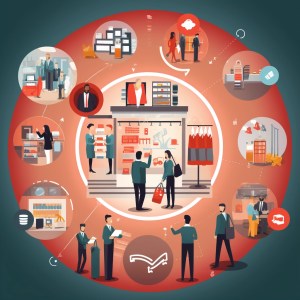 The customer experience isn’t just about feel-good moments, it directly impacts your bottom line. Happy customers are the lifeline of retail, often turning into loyal repeat buyers, reducing the cost and effort involved in constant customer acquisition. They become your brand ambassadors, sharing their positive experiences and driving invaluable word-of-mouth promotion.
More importantly, a superior customer experience often paves the way for customers’ willingness to pay a premium, hence positively affecting profit margins. In essence, investing in customer experience isn’t merely a customer retention strategy; it’s a sound business decision that pays dividends.
Whether it’s strategic marketing, cost optimization, or Omnichannel e-commerce, being a successful business owner is a 24/7 job that requires ample support and resources. As we step into a new year of retail, ask yourselves the following questions.
- What customer experience initiatives am I focused on for this year?
- Am I effectively and efficiently measuring the satisfaction of my customers?
- What areas of the customer experience can I improve?
- What stands out to me from a recent shopping experience that I could incorporate into my business?
With these considerations at the forefront of your mind, you are sure to develop ways to improve and grow your retail business through an enhanced customer experience.