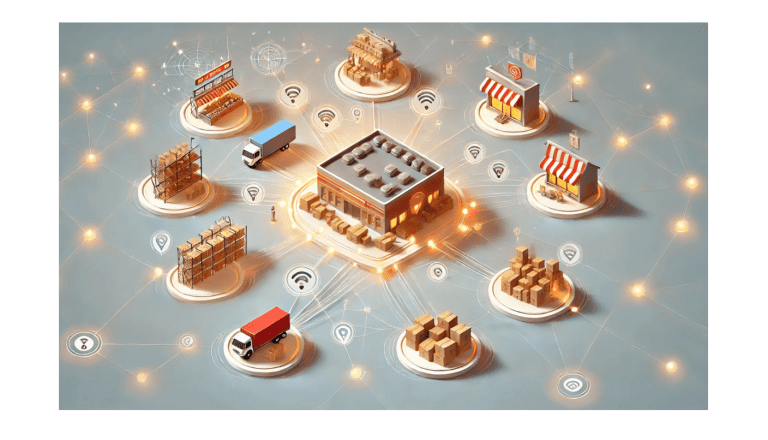

In the realm of marketing, the Internet became somewhat of a great equalizer. It delivered a space where virtually any type of business could reach an audience around the world. While not exactly the same, retail media is offering a very similar leveling of the playing field for many brands. Retail media offers up a space where a variety of brands can piggyback upon the audience, first-party data, and consumer trust of major brands.
In fact, retail media networks are nearly a vital component of any retail marketing strategy in modern times. This is especially true when it comes to driving the expansion of the business. Let’s take a look at some tangible examples of how retail media can help facilitate a retailer’s expansion.
The Boons of Retail Media Networks
Before going too much further, let’s answer the question: what is a retail media network? Essentially, a retail media network is a collection of channels and digital properties owned by a major retailer. This allows third-party brands to advertise their products. Some of the most well-known examples include Walmart, Best Buy, and Amazon.

There are a few key factors that really bring retail media networks to the forefront of any marketing strategy. One of the most significant of these is the access to first-party data of the parent brand in a retail media network. Major retailers like Amazon and Walmart have built extensive databases filled with detailed information on how and when customers buy and what catches their eye. This is invaluable when it comes to advertising, as it allows any brand to make pivotal adjustments to its strategy for better conversion.
Even major brands are recognizing the significance of retail media networks and pivoting their advertising budget in that direction. For instance, Mondelez International, the owner of Oreos, has significantly cut its TV advertising budget and redirected it toward retail media networks like Amazon and Walmart, along with social media campaigns. In fact, Oreo has cut its TV advertising budget from 42% three years ago down to only 15% as of this year.
Targeting a Niche with a Retail Media Network
Another significant boon of retail media network marketing is the ability to target a truly relevant audience. Numerous major retailers are launching their own retail media networks, allowing brands to advertise within their particular niche. For example, Sprout Farmers Market just launched their own retail media network, opening up significant opportunities for brands in the health food sphere.
 This relevance, in combination with the key insights from first-party data, allows third-party brands to pinpoint their target audience. Ultimately, this creates incredible conversion results—and this goes for more than just health foods. There is Home Depot for home improvement and home goods, Best Buy for electronic retailers, and many more.
Digital marketing has certainly come a long way in targeting the right audience. However, retail media networks take this to the next level by targeting the right audience and knowing key data like when visitors buy and what makes them buy. This is how a brand becomes more relevant, reputable, and known by more people than they would’ve ever been able to reach themselves alone.
The Future of Retail Media Networks
The reality is that the digital space is only going to continue to expand, as will retail media networks along with it. Major brands are already developing novel methods for employing advertising across their networks. One such example is third-party brands now being able to advertise on the loudspeakers within DICK’S Sporting Goods stores.
Starting to advertise on retail media is currently a matter of jumping on the train while it is still passing the terminal, rather than chasing after it. Don’t be left running on the tracks.
How will you use retail media networks to effectively grow your brand?