
Retail marketing has changed immensely over the years, especially with the advent of the digital age. A combination of additional competition, evolving technology, and advanced strategies has developed the industry in many ways. Now, this is especially true with the advent of retail media networks (RMN).
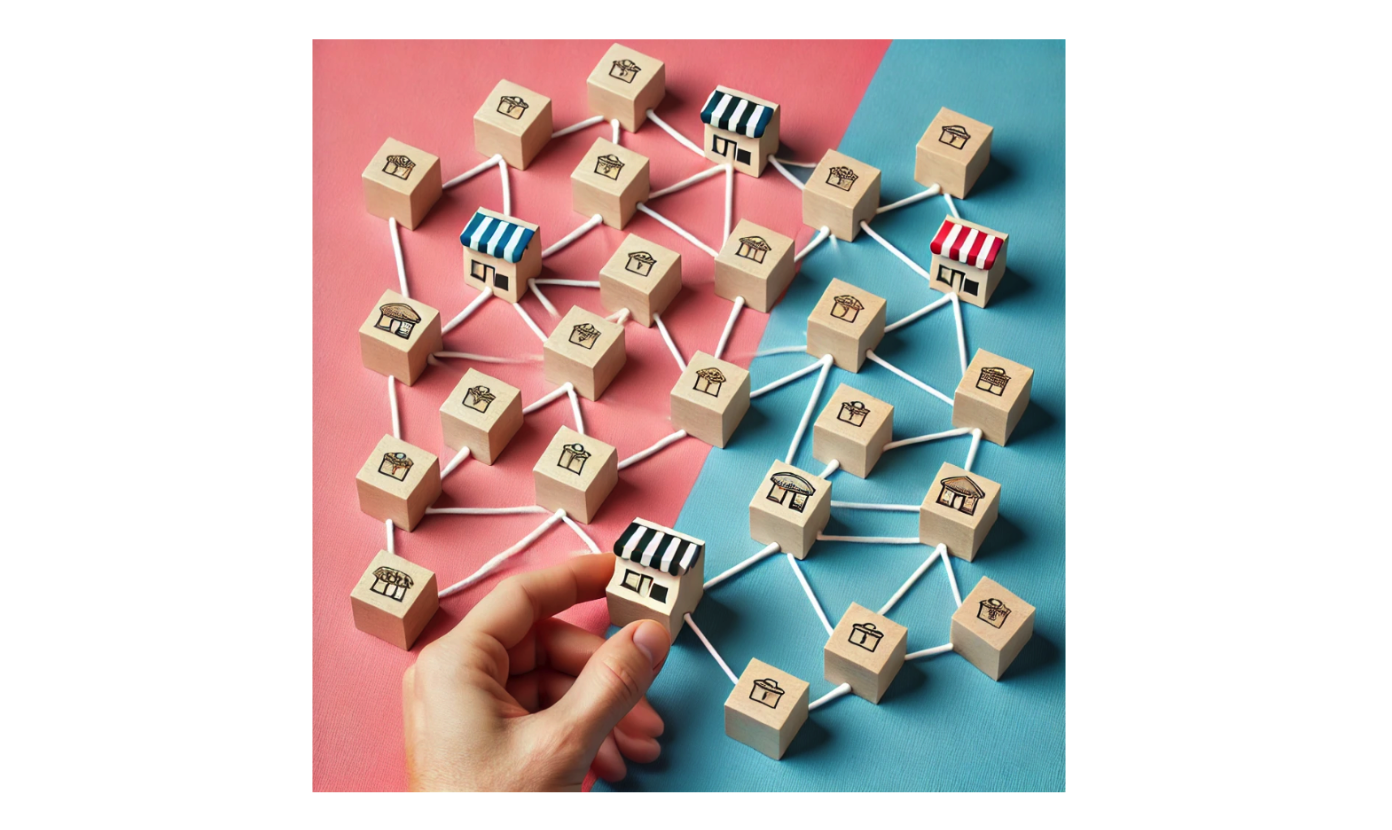
But what is a retail media network? Retail media networks are a service wherein major retailers allow third-party brands to purchase ad space on their platforms and channels. Think of it as the digital equivalent of third-party brand advertisements in physical stores.
Today, retail media networks have emerged as one of the most influential and strategic marketing tools in the modern era. Let’s delve into why they hold such a pivotal role.
The Power of Retail Media
Retail media is significantly effective because of its visibility and reach. However, its true power lies in first-party data and time of display. Brands working with retail media networks get access to major retailers’ first-party data like buyer interests, relevancy, and when they buy. Third-party brands can leverage this data to know the right time and place to advertise for the best conversion.
Additionally, advertising on a retail media network is like piggybacking off the consumer trust of that retailer. Shoppers seeing ads on their preferred marketplace sites often assume they are trustworthy or worth purchasing.
More people are shopping online than ever on major marketplaces like Amazon, Walmart, and more. In fact, according to Statista, the global ecommerce market is projected to hit $4.4 billion in 2024, with 18.2% of shopping being done online. In other words, these major marketplaces are rife with potential customers for third-party brands that take advantage of retail media.
Even more eye-opening is the staggering effectiveness of retail media. One research study by Integral Ad Science found that 98% of internet users have shopped on retail media networks, and 38% of those are likely to purchase a product from relevant RMN ads.
The Evolution of Retail Media Networks
Realistically, the amount of online shopping is only going to increase. As it becomes more convenient and efficient, more people will lean toward purchasing online. This is already evident with the increased use of online grocery shopping, something that was almost entirely in-store until the effects of the pandemic.
The significant growth of online shopping means that brands must take advantage of retail media networks within their marketing strategies. However, it is important to note that retail media should not become your only strategy, as it is most powerful when used as part of a multichannel approach.
Tips for Effectively Using Retail Media Networks
 There is some nuance to effectively using retail media networks. The first point is purely for brands to choose a relevant RMN to advertise on. For instance, if they are an electronics brand, they should opt for something like Best Buy’s massive retail media network or general retailers like Walmart. Otherwise, advertisements could easily fall into the irrelevancy of the wrong target audience.
Some additional tips include:
- Customize campaigns: Segment RMN campaigns based on demographics, behaviors, and purchase history.
- Diversify platforms: If there is an additional budget available, it can be helpful to diversify campaigns across multiple platforms to reach several retailer audiences. Otherwise, choose the most relevant network.
- Closely monitor KPIs: Of course, like any effective marketing strategy, KPIs must be determined and regularly monitored, such as click-through rate, conversion rates, and return on ad spend. Find out what is working and bolster it while finding what isn’t and optimizing it.
Will you be using retail media networks to grow your brand in 2024?


