

Consumers have been suffering from inflation, supply chain difficulties, and the rising costs of more advanced products. As a result, most have cut back on spending, which in turn has impacted traffic across the retail industry all around the country.
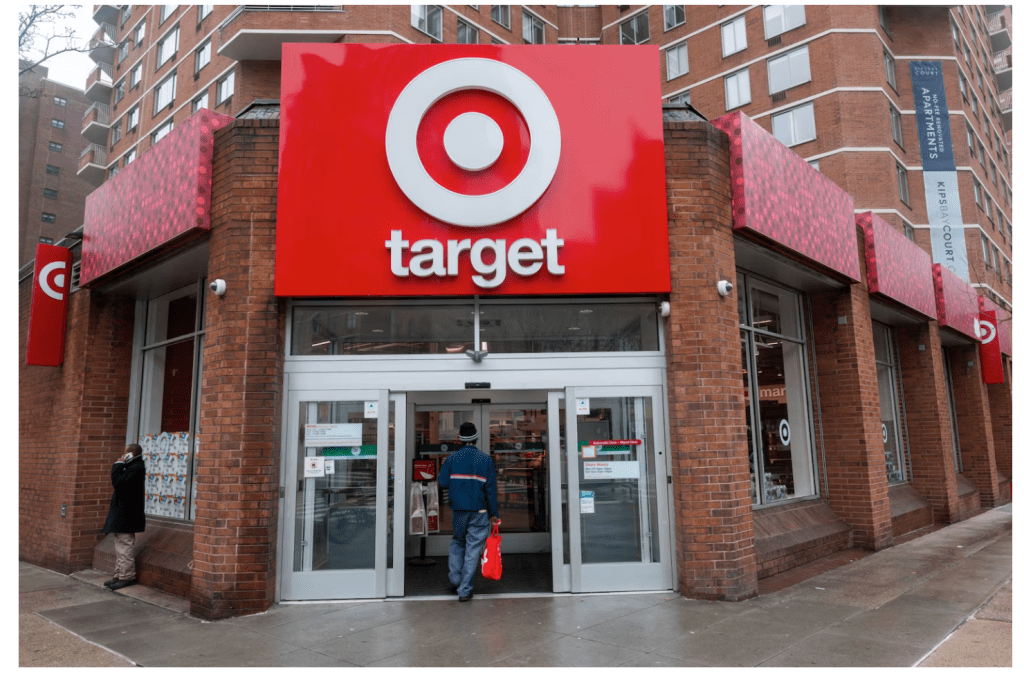
The decline in consumer spending has led to numerous retail businesses implementing price cuts. For instance, retail giant Target made price cuts across 5,000 products in stores, including milk, meat, vegetables, and much more. Initially, price cuts can seem like a poor decision for retail businesses; yet, they can often result in customers returning to shop.
So, let’s explore how price cuts and supply chain enhancements can lead to more satisfied retail customers.
How Optimized Supply Chain Management Leads to Happy Customers
One of the most influential factors in retail pricing is the management of the supply chain—but what is supply chain management exactly? Simply put, supply chain management means handling and coordinating activities for producing and delivering products and services. It encompasses every step in the process of taking products from raw materials to a final product in the consumer’s hands.
Ultimately, retail customers are happiest when they can get the products they need or want at a price that they deem reasonable or affordable. However, this is a bit of a simplification, as branding also plays a role. Regardless, both availability and affordability are jeopardized when there are supply chain issues.
A disrupted or delayed supply chain means retail customers don’t get their products on time. Moreover, if the supply chain is poorly managed, it can lead to increased costs that are often passed on to customers.
On the other hand, when a retail business has implemented optimized supply chain management, it can deliver on both of these factors. Products arrive on time, inventory shortages are forecasted, and pricing is well managed within the business’s margins.
Optimizing Retail Supply Chain Logistics
So, how do retail businesses improve supply chains to offer better pricing to customers? Optimizing often requires a multi-pronged approach, as there tends to be more than one difficulty along the chain. No matter the size of a retail business, the supply chain is the lifeblood of its operations.
Not every supply chain will have the same difficulties, but let’s take a look at some of the more common areas of concern.
Supply Chain Forecasting
Accurate forecasting is one of the most important factors for efficient retail supply chain logistics. The modern age of fast shipping and pre-purchase has created a scene of instant gratification, which means retail businesses need to be on top of predicting supply, demand, and pricing. While this can be optimized manually through careful inspections and analysis, there are also modern AI tools that can be incredibly helpful.
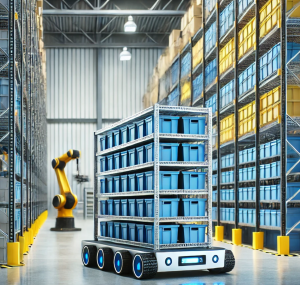
Amazon is an excellent example of this, as they use AI across the supply chain in various ways. They use AI to ensure products are stocked in the right locations for faster delivery dates, sorting packages, and more.
Transparency
To help locate difficulties in the chain, businesses must maintain high transparency across all points. This includes supplier networks, transportation, distribution, and manufacturing. Without transparency, vulnerabilities in the supply chain can easily go unnoticed.
Flexibility and Diversity
Of course, unexpected delays can happen in the supply chain world. However, businesses must be prepared for these events. This can be done through diversification and flexibility across the chain. In other words, having alternative manufacturing, distribution, and transport options to ensure the product is still delivered.
Ultimately, retail relies on ensuring consumers are satisfied. Poor supply chain management and the resultant price increases will lead to fewer customers willing to spend at those locations. This is why retail businesses of all types and sizes need to ensure their supply chain is in tip-top shape to deliver agreeable pricing to customers. Otherwise, consumers will continue to find alternatives at lower prices or cut back on their own spending.
Will you be optimizing your supply chain to provide price cuts for customers?


