
AI has been a somewhat contested subject in recent years, mostly on the side of AI art. However, it is impossible to deny that developments in technology have led to the introduction of significantly effective AI tools across all industries. However, we’re going to take a look into the scope of AI tools within the retail industry.
Currently, available tools are already powerful. From monitoring inventory to scaling ad spend, AI is performing tasks that we previously thought were only human tasks. Let’s take a look at where AI tools currently stand in the retail landscape and their future in the industry.
The Current State of AI in Retail
Before we jump to the future, let’s take a quick look at some of the incredible AI technologies currently being used in the retail realm.
Machine Learning
Machine learning is a branch of AI that imitates human behavior. Essentially, it learns over time as it receives and processes new data. Machine learning is used in a variety of ways, including making inventory predictions, forecasting trends, and predictive analytics.
All in all, it can help retailers make more informed decisions across their operations. This incredible technology allows retailers to deliver more personalized experiences to shoppers.
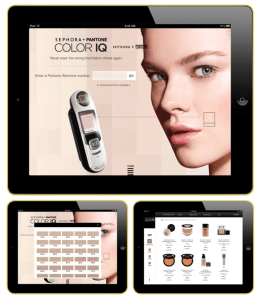
One example of this can be found in Sephora. Sephora uses AI to provide a more personalized experience with its Color IQ system, which scans customers’ faces to provide personalized recommendations for cosmetic items.
Natural Language Processing/Conversational AI
Natural Language Processing (NLP) is an AI branch designed to interpret, use, and comprehend human language. One of the most common uses of NLP AI in retail is customer service. AI chatbots can help navigate customer service issues, troubleshoot, and more.
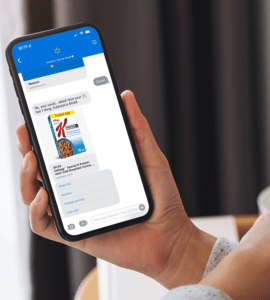
Walmart has used this type of AI to allow customers to shop with their voice throughmobile devices and smart speakers. They also created a voice assistant for associates called Ask Sam, which allows them to find items more easily in the store.
Generative AI
Generative AI can often tend to be contentious. It is used to generate images, text, video, and other content based on existing content. This allows retailers to create new marketing content, advertisements, copy for ads or websites, and more.
However, there are other incredibly novel ways to use generative AI as well. For instance, Google has used it to create virtual try-on systems that allow shoppers to see how a garment would fit on different sizes of models.
The Evolution of AI in the Retail Industry
So, with how incredible the tech is already, how will AI in the retail industry develop in the future? Well, it’s hard to say how much advancement will come, as it depends on the time frame and developmental limits.
However, there are certainly several uses in development. Here are some that we can predict will be on the way.
Seamless Omnichannel Standards
Omnichannel retailing is nearly expected at this point. Shoppers want to be able to pick up right where they left off from one device to another. While some major retailers, like Amazon, are beginning to achieve this, AI will simplify the process.
Overall, it will allow retailers to sync data across platforms and devices, personalize content and marketing efforts, and contact the customer across every point of their purchase journey.
Smart Pricing Adjustments
The role of predictive AI in retailing cannot be understated. We are not far away from AI using data-driven analytics to consider all factors along the supply chain and market to adjust pricing.
This will allow it to present customers with personalized promotions, compelling offers, and real-time adjustments to improve conversion. In fact, this has already begun to take place, but it is likely to become standard down the road.
Trend Predictions
AI is already being used in forecasting across the supply chain, customer behavior, and trends. However, this technology is still relatively new, which means its ability to predict trends will only improve. Ultimately, this will enhance the entire retail chain through the following:
- Enhanced customer service,
- Quicker response time,
- Efficient stocking of in-demand items
- Data-driven decisions to stay ahead of the market demand.
While the exact future of AI in retail is not completely clear, it is a guarantee that its use will continue to grow and develop.
Have you used AI within your retail business? Moreover, how will you use the improvements in AI to stay ahead of consumer demands and needs?