
Q1 earnings calls make one thing clear: retailers aren’t sitting still.
Amid renewed tariff pressures, volatile costs, and consumer pullbacks, the largest players—Walmart, Amazon, Costco, Kroger—are leaning forward. Instead of bracing for impact, they’re accelerating transformation. The back half of 2025 won’t be about defense. It’s about building faster, leaner, smarter models to win long-term.
Three strategic imperatives are rising to the top: scale omnichannel, reshape value, and monetize tech.
Omnichannel Acceleration Unlocks Speed, Reach, and Growth
Retailers are rearchitecting around immediacy. Fulfillment speed, assortment expansion, and store-based logistics are now core to competitive advantage.
- Walmart reported 16% global e-commerce growth, reaching 93% of U.S. households with same-day delivery via stores.
- Amazon hit record delivery speeds thanks to a regionalized inbound network.
- Target grew Same-Day delivery 25%+, fueling an 8.7% digital comp lift.
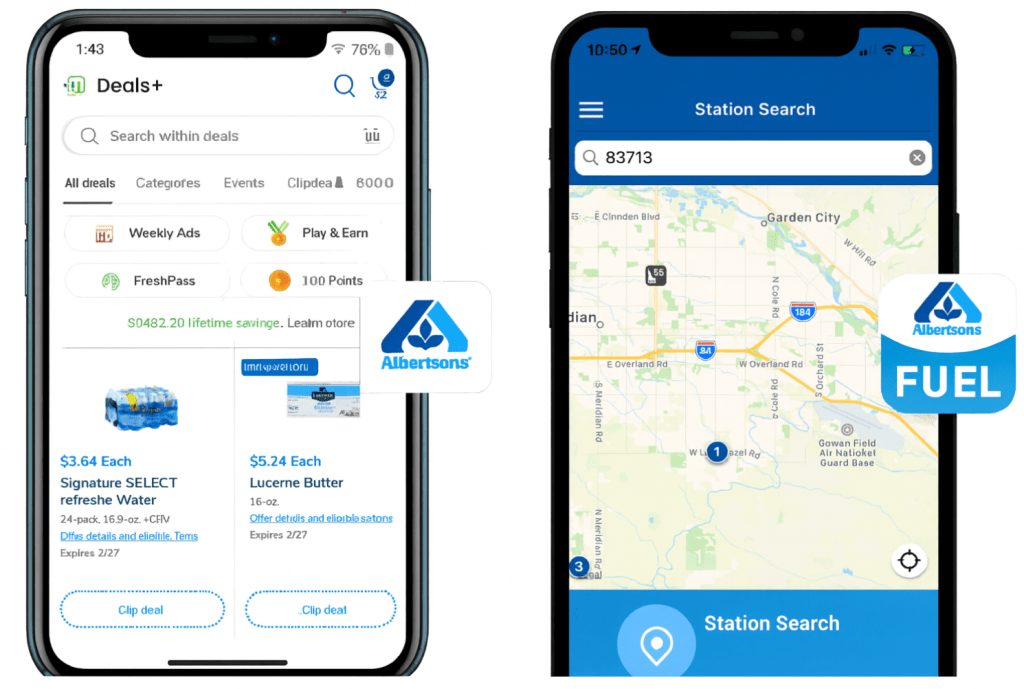
- Albertsons saw 8.7% digital comp lift on the back of a unified app and in-store fulfillment upgrades.
Third-party marketplaces are expanding as a capital-light growth lever.
Walmart’s U.S. Marketplace revenue grew 37%, with nearly half of orders fulfilled via WFS. “We want to grow profit faster than sales by scaling higher-margin businesses like membership and advertising,” said CEO Doug McMillon.
Best Buy plans to roll out its own third-party marketplace by mid-year, aiming to expand product assortment and drive incremental revenue.
So what? Omnichannel isn’t a channel strategy—it’s the operating model. Store networks are now last-mile infrastructure, and marketplaces expand SKUs without inventory drag.
Value + Loyalty = The Retail Power Combo
With consumer trade-down and inflation fatigue still in play, price matters. But long-term loyalty is being built through membership, personalization, and own-brand trust.
- Costco grew membership income 7.8% YoY, ending Q1 with 77.4M paid households.
- Walmart+ and Sam’s Club Plus drove recurring revenue growth while strengthening their edge on price and assortment.
- Albertsons increased loyalty members by 15% and drove private brand penetration to 25.4%.
- Dollar General saw increased traffic from value-conscious, higher-income shoppers.
Loyalty is now infrastructure. Lowe’s found DIY members spend 50% more than non-members. Best Buy’s 8M paid members fuel not just repeat spend—but support new monetization efforts like retail media.
So what? Loyalty isn’t just a marketing tool—it’s a margin and data engine. And value delivery now extends well beyond price tags.
Tech and New Margins are Fueling Reinvention
Retailers are aggressively deploying AI and automation—both to drive efficiency and to unlock new revenue streams.
- Walmart saved 4M developer hours using AI tools and now uses agents to solve stock issues faster.
- Kroger rolled out a generative AI tool for fresh inventory and virtual assistants for store teams.
- The Home Depot is using AI for product descriptions, chat, and ratings summaries.
Meanwhile, Retail Media Networks are Maturing Fast:
- Amazon Ads earned $13.9B in Q1 2025, up 19% YoY.
- Walmart Connect grew 27% YoY to $4.4B.
- Kroger added $1.35B in operating profit from alt-profit businesses, including its RMN.
- Albertsons, Macy’s, and Best Buy are all scaling RMNs as a margin lever.
The takeaway? AI is no longer experimental—it’s embedded in daily operations. And retail media networks aren’t side projects—they’re emerging as significant drivers of margin growth.
Final word: Three Plays, One Flywheel
This isn’t strategy by silo. The most adaptive retailers are connecting:
- Omnichannel fulfillment → drives loyalty
- Loyalty programs → unlock data
- Data assets → fuel ad monetization
- Media revenue → funds reinvestment in speed and price
That loop—the retail flywheel—is becoming a durable advantage. In a year shaped by margin pressure, tariff risks, and shifting spend, the leaders aren’t just cutting costs. They’re building resilience.
Want to pressure test your version of this playbook? Let’s talk.


