Not every company is talking about change. But they’re making moves. And if you look closely, a pattern starts to emerge.
From footprint shifts and supply chain pivots to AI investments and org restructuring, the first half of 2025 has been full of strategic repositioning and operational recalibration.
If your execution plan still reflects January’s assumptions, now’s the time to ask: What are others already doing that we haven’t done yet?
1. Rebalancing the Footprint—Not Just Shrinking It
Store closures are making headlines—but for many operators, the story isn’t retreat.
It’s reallocation.
- Macy’s is closing 66 stores in 2025, part of a 150-store plan through 2026, while investing in 350 “go-forward” locations.
- Kohl’s is exiting underperformers to focus on long-term growth and health of the business.
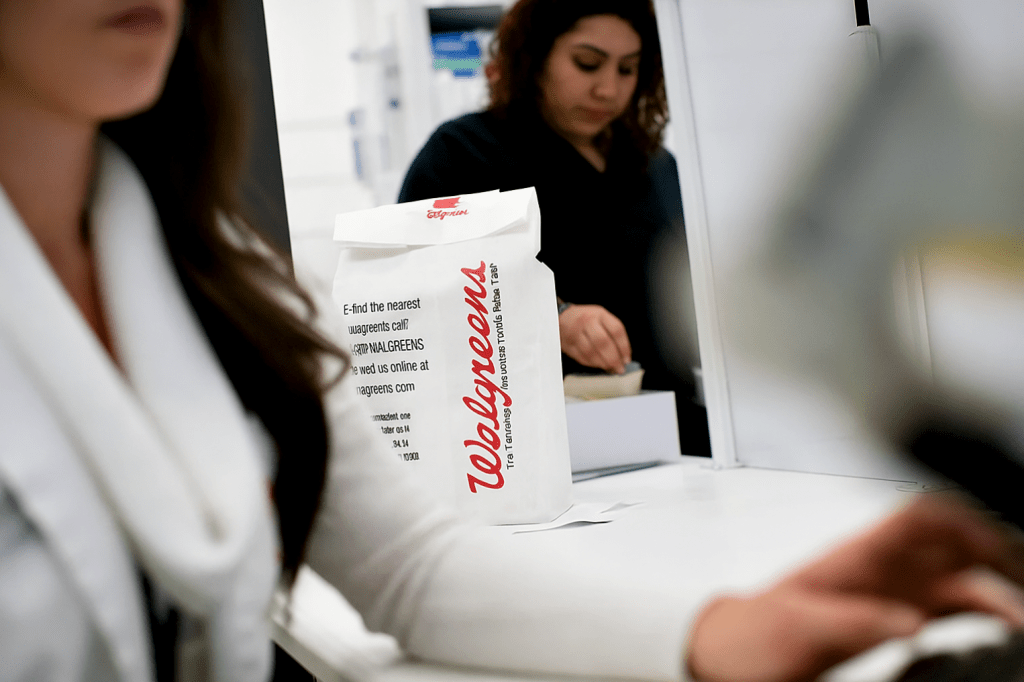
- Walgreens plans to close 1,200 stores as part of a turnaround effort.
This isn’t slash-and-burn. It’s strategy: Reduce drag. Reinvest in resilience.
What would you cut—or reconfigure—to create the capacity for smarter execution?
2. Restructuring for Focus—Not Just Savings
Several companies are sharpening their operating models through named initiatives:
- Levi’s booked $7M in Q1 restructuring charges tied to “Project Fuel,” focusing on simplification and efficiency.
- Estée Lauder recorded $181M in restructuring charges as part of its Profit Recovery and Growth Plan.
- Procter & Gamble is exiting certain international markets to focus on core geographies.
These aren’t reactive cuts—they’re signs of realignment.
If you had to reshape your org to better match current conditions, where would you start?
3. Investing in Executional Agility
Supply chain and operations strategies are evolving—fast:
- 58% of companies changed their sourcing mix, and 28% shifted geographic presence in Q1 2025.
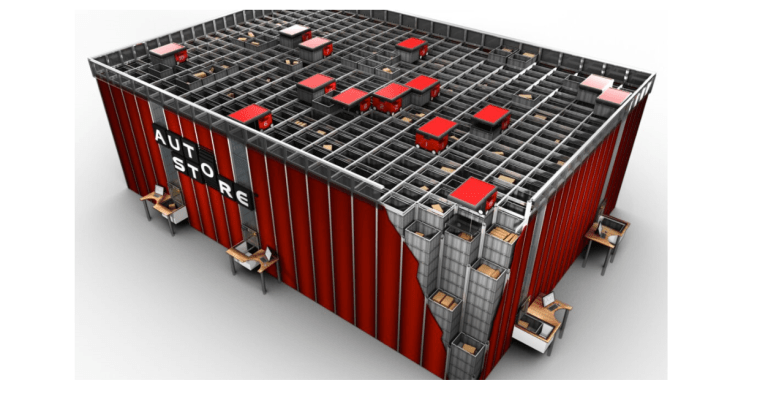
- Warehouse leasing by 3PLs rose 9% YoY, as more companies embraced flexible logistics over fixed infrastructure.
- AI usage is spiking: 77% of surveyed supply chain execs are using it for inventory management, 54% for demand forecasting.
Sponsor-backed companies are leading here, too:
- Bain Capital’s acquisition of Sizzling Platter reflects a playbook built on network efficiency, multi-brand integration, and tech-enabled ops.

Source: QSR Magazine
If conditions shifted tomorrow, which parts of your model would flex—and which would crack?
4. Turning Efficiency into a Strategic Asset
Efficiency isn’t just about protecting margins—it’s about enabling reinvestment.
- The Toro Company credited its “Amplifying Maximum Productivity” (AMP) initiative for improved operating leverage despite cost pressures.
- Ralph Lauren expanded gross margin by 170 bps by optimizing product and channel mix.
- Private Equity (PE) platforms are driving the same focus—add-on deal capital rose to $14.4B in Q1, reflecting a shift from capital deployment to integration and performance lift.
Where is your team still focused on tracking efficiency—rather than using it?
5. Upgrading the Tools to Execute Faster
As timelines stretch and teams run lean, companies are investing in how work gets done. Sponsors are doubling down on tech to manage execution:
- Apex Group acquired Flow to build an end-to-end ops platform.
- Clearwater Analytics is acquiring Beacon to enhance investment intelligence across private markets.
- Intapp signed an agreement to acquire TermSheet, a provider of software for real estate teams.
- Dealstack raised $5.5M to bring AI into deal and portfolio workflows.
The investment world is learning: if execution slows, performance stalls.
That lesson applies outside of PE, too.
What tools—or habits—are slowing down your team’s ability to move when it matters?
The bottom line
We’re seeing teams across sectors trim the noise, tighten the plan, and move with more focus.
If that sounds familiar—we’d be glad to trade perspectives.