You’re moving fast. The market isn’t waiting. But what you’re executing today was probably built for a calmer environment. That’s the tension we’re seeing across the board.
The question isn’t “Is your plan good?” It’s “Can it flex when everything shifts?”
If your teams are stretched—or your results feel fragile—these five questions may help:
1. Are we doing what matters—or what we’ve always done?
Walmart is pruning initiatives that don’t add value. Best Buy is shrinking stores and accelerating small-format pilots. KKR is telling portfolio companies to get lean and stay flexible.

If your execution model still reflects last year’s ambition—but not this year’s reality—it’s time to reset. What would your team stop doing if you had to deliver with 80% of the people?
2. Is our supply chain ready to pivot—or just efficient on paper?
Tariffs are at 100-year highs. Frank and Oak exited the U.S. over sourcing volatility.
If your vendors can’t flex—or your plans can’t absorb a new policy next quarter—you’re exposed. Who on your team owns supply risk? And are they just managing cost, or actually managing risk?
3. Are we earning loyalty—or assuming we already have it?
Target is integrating Apple CarPlay. Ulta and Raley’s are using loyalty data to personalize pricing and service in real time.
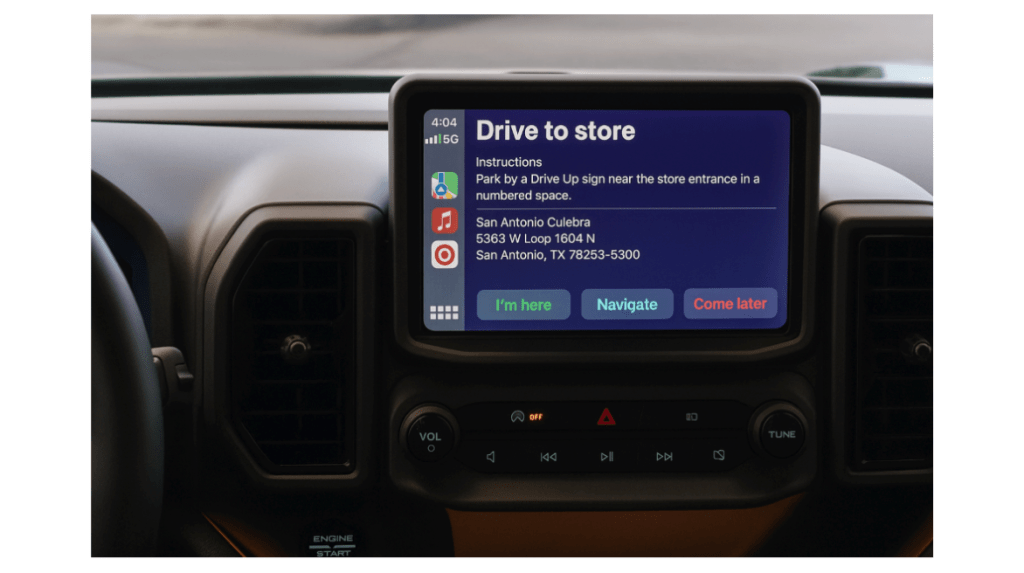
This isn’t about tech—it’s about execution. Every touchpoint matters again. And the best teams are tuning the model weekly. How would you act if you had to re-win your customer this month?
4. Are we managing the plan—or delivering results?
Blackstone just dropped $4B into grocery retail. Why? Because reliability wins when volatility rises. Are your teams optimizing KPIs—or actually moving product, shifting spend, and clearing roadblocks?
What’s the fastest cycle time from signal to action in your org? And how many layers does it have to pass through?
5. Are we leading with conviction—or waiting for the perfect answer?
KKR and Carlyle are backing teams that move—before the path is perfectly clear.
The winners aren’t reckless. They just know that speed compounds.
Where are you hesitating? And what’s the opportunity cost of doing nothing?
Bottom line
You don’t need to rebuild the whole plan. But you do need to know if it can handle what’s coming next.
If your teams are already feeling the strain, you’re not alone. We’re helping operators tighten the plan, trim the noise, and move faster. Let’s compare notes.